About SEE to ACT
Our story
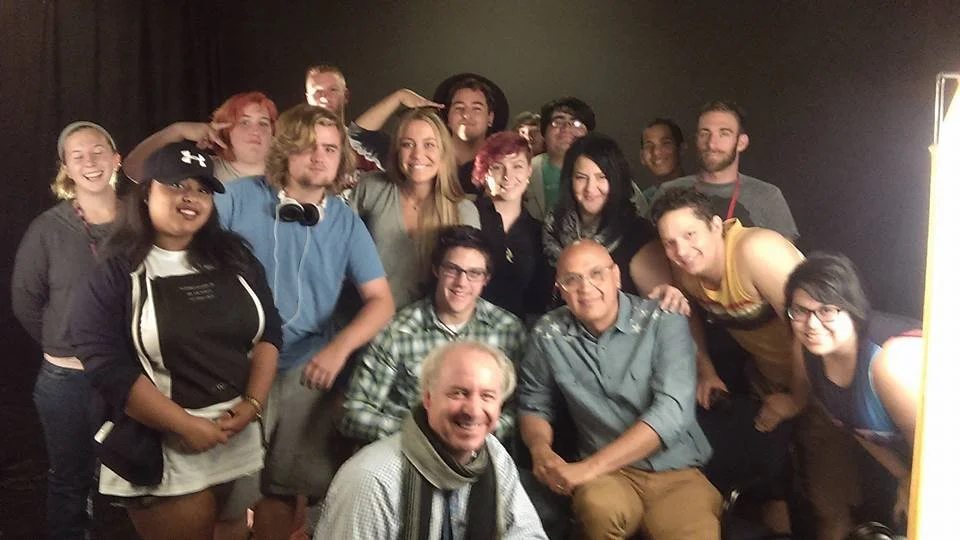
In the wake of the devastating Uvalde, Texas school shooting, founders Hayden Yates and Dee Hunnicutt Rodriguez knew that traditional responses weren't enough. They saw a profound, urgent need to inspire hope, foster genuine human connection, and spark systemic change for a generation processing deep trauma.
They asked a simple question: What happens when we give youth the tools to tell their own stories?
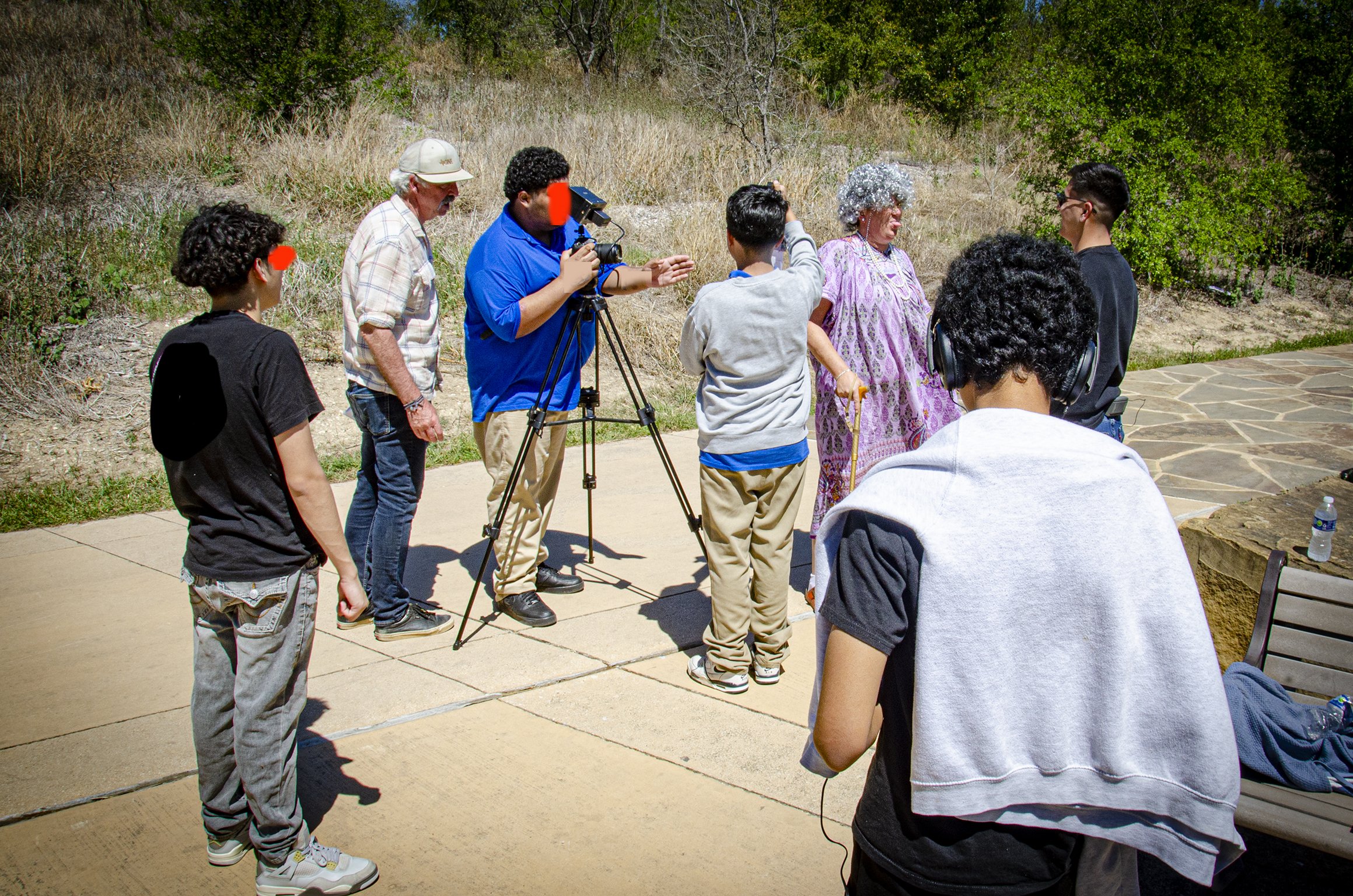
Out of that question, SEE to ACT was born. We realized that cinema has the unique power to bridge gaps, heal wounds, and give young people a platform where they are finally seen and heard. What started as a response to a tragedy has grown into a movement dedicated to transforming pain into purpose through the art of film.
SEE to ACT’s Origin Story
Trauma-Informed Filmmaking
We don't just teach technical camera skills; we create a safe, supportive environment where students can process their lived experiences and translate complex emotions into cinematic art.
How We Build the Future
Trauma-Informed Filmmaking
We don't just teach technical camera skills; we create a safe, supportive environment where students can process their lived experiences and translate complex emotions into cinematic art.
Restorative Justice Approach
We believe in accountability, healing, and community integration. By focusing on restorative practices, we help justice-impacted and vulnerable youth find a new direction and repair their connection to the world around them.
Creative Agency & Autonomy
From script writing to the final edit, our students are in the driver's seat. Handing over creative control builds real-world confidence, leadership, and a sense of deep personal pride.
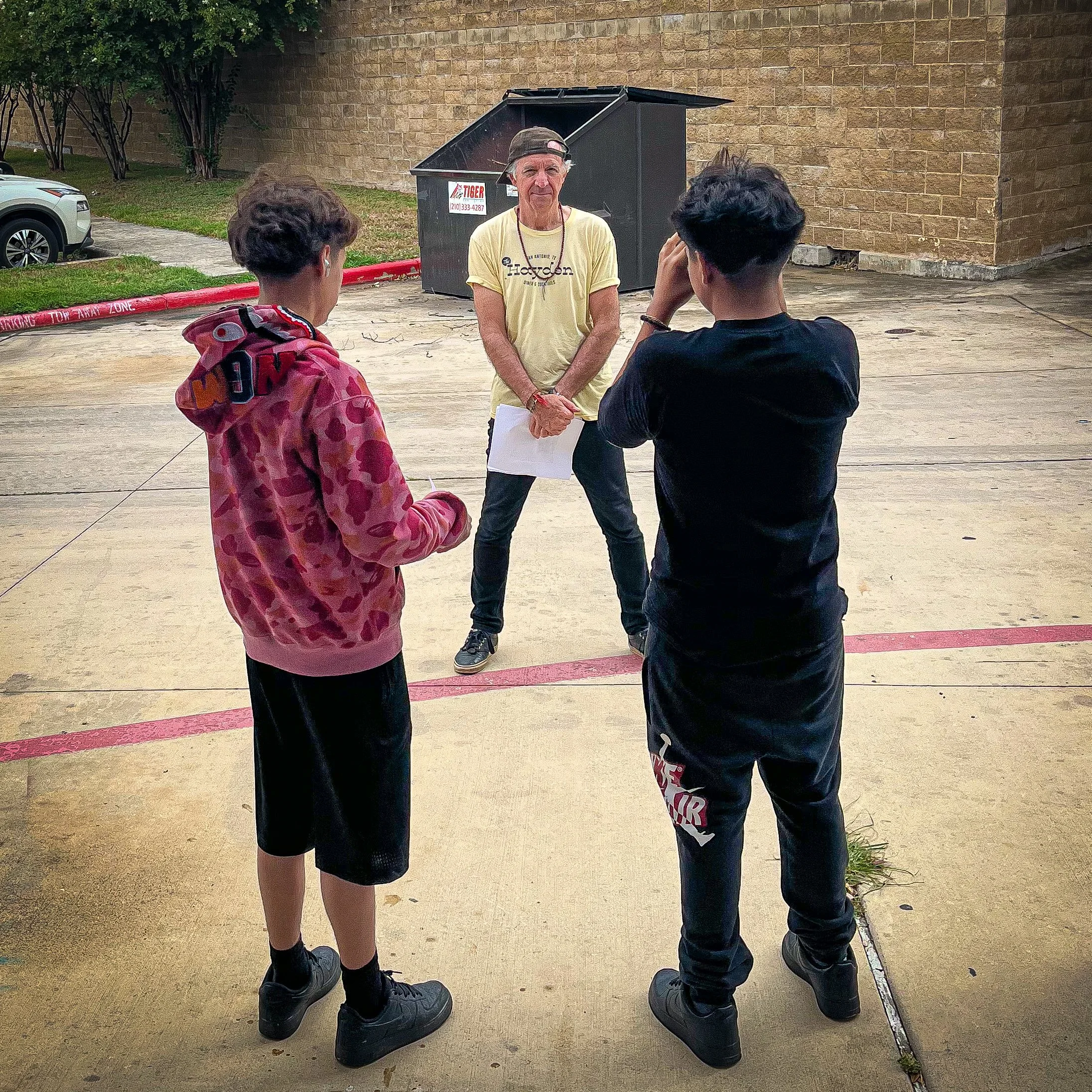
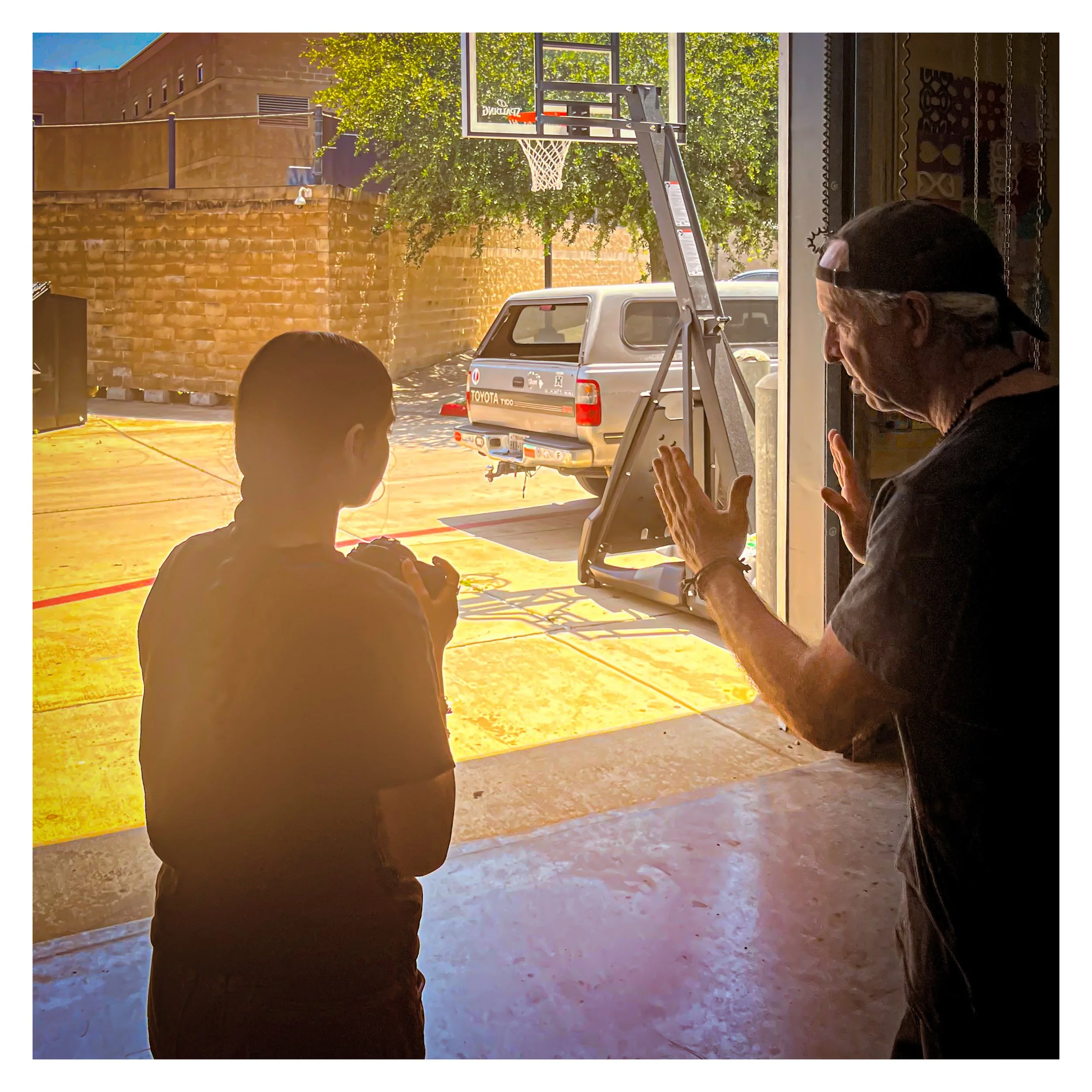
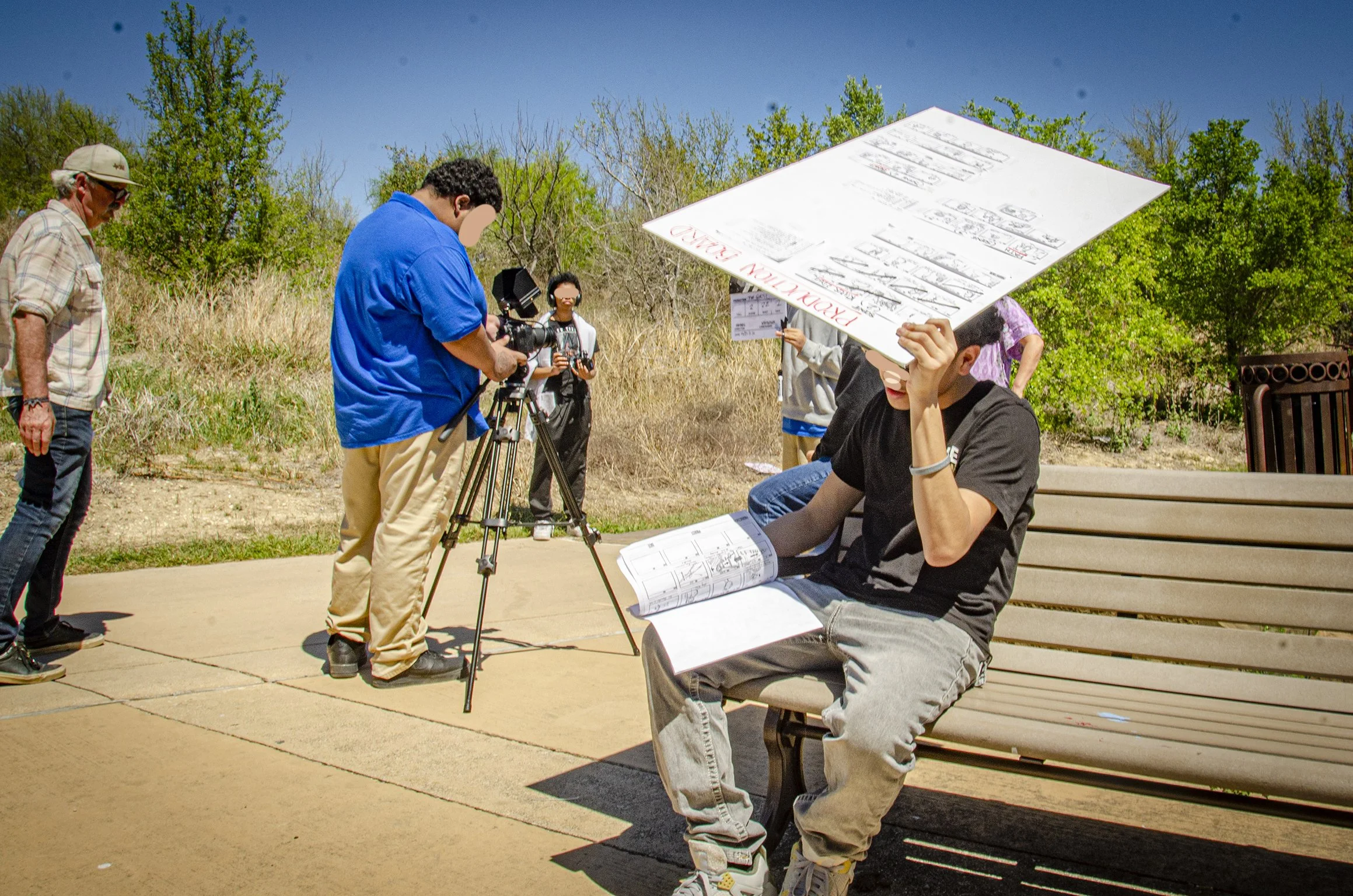
“Our goal in teaching storytelling through filmmaking is for young people to express themselves through the lens of a CAMERA, not to become headlines through the barrel of a GUN. We want our youths to TELL their story, and not BE the story.”
—Hayden de Maisoneuve Yates (Executive Director)